A tourist in the mountains can experience for himself the role of proper nutrition and meal planning in hiking. We rarely think about it, because restaurants and supermarkets are always nearby, and it doesn't matter if you forgot lunch, because you can have a snack. But on a hike, there will be no such opportunity, so you need to plan your "menu" for the trip in advance.
We spend at least 1,500 kcal per day, but active recreation in the mountains will require many times more from you. For example, simple tracks will require from 2,500 kcal per day, and difficult routes - up to 6,000 kcal per day! So how to eat properly in the mountains?
Proper nutrition is the key to success
In addition to reducing endurance, junk food also has a strong effect on muscles. During a long, physically demanding hike, it is important to get all the benefits of food. When eating, it is important to saturate your body, not fill your stomach empty. When the body does not get enough protein, it begins to use its own muscles as a source of amino acids, which leads to a loss of muscle mass and strength.
Junk food leads to digestive problems, which will complicate the trip. Also, the constant consumption of sugar and carbohydrates makes you constantly hungry and weak. Such a state is unlikely to have a positive effect on your motivation during a difficult trip in the mountains.
What exactly to choose for a hike?
Choose the taste that you are already used to and that you will definitely like. If pickled beans do not arouse your appetite at all, then you are unlikely to enjoy eating them when you are tired from the hike. Then it will definitely turn into a nightmare.
Food should be quite high in calories, but at the same time healthy. These calories can be easily gained with cakes, but sugar, although it gives energy, can deplete the body quite quickly.
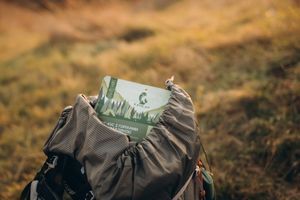
For long trips, it is worth choosing food with smaller volume and which does not require additional equipment for cooking. Also calculate the approximate cooking time, because it is worth knowing how much fuel it will take.
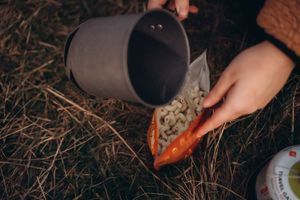
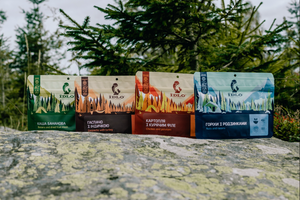
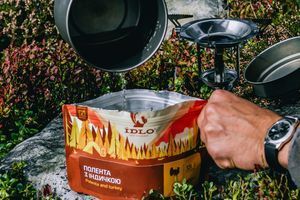
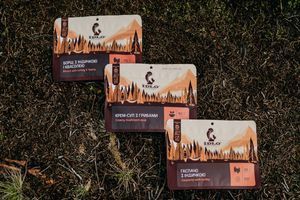
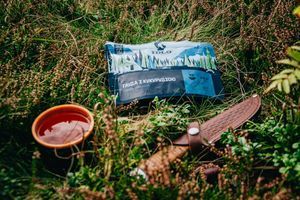
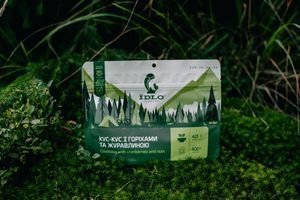
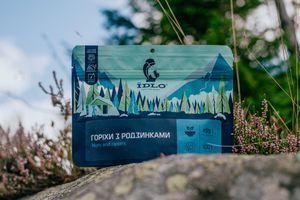
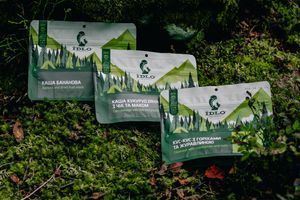
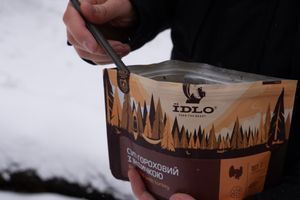
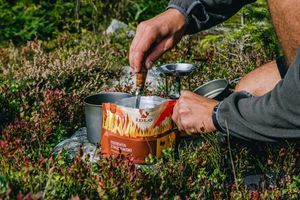
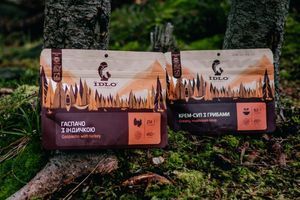
Comfort and convenience on a hike have their price. High-quality energy bars and freeze-dried meals seem expensive, but they significantly lighten the weight of your backpack. In addition, freeze-dried meals taste like homemade and are very nutritious.
What should you not take with you on a hike?
Fatty and heavy food will not be the best option, as it often causes a feeling of nausea. A balanced diet is necessary for health. Avoid canned meat with a lot of fat, fried bacon, products with a lot of meat or lard.
Never take raw meat with you! It is always better to take, for example, jerky.
It is also better not to take salty snacks with you, they make you thirsty and increase water consumption.
How to choose the right diet for health?
In fact, the right diet menu can be simple and hassle-free. It is important to follow the tips that will help you stay in shape throughout the hike.
Perhaps this is really simple advice, but sometimes we think that we need to "save" water and drink as little as possible. This is not true. When traveling in the mountains, you need to drink at least 2 liters of water, this number reaches four liters. It all depends on the temperature and humidity of the air, as well as your weight.
Choose foods rich in protein and fats: jerky, freeze-dried foods, some canned goods, nuts. Proteins help restore tissues and muscles after physical exertion.
Proper nutrition breakfast, lunch and dinner are important components of a healthy lifestyle. Breakfast contains carbohydrates as an additional charge of energy in the morning. It is very important to eat a hearty meal in the morning, because you have a hard day ahead. For lunch, you can eat something like sandwiches (if the weather allows it and they do not spoil), or choose freeze-dried dishes. Dinner should be as hearty as breakfast. This gives that last push before rest.
What to use for a snack?
Snacks allow you to maintain a high level of energy between main meals. So what is proper nutrition in short? Meals should be light, long-lasting, and compact. Here's what might work:
- Dried fruits. Raisins, dried apricots, dates, figs and other dried fruits are rich in natural sugars and vitamins.
- Nuts and seeds. Almonds, walnuts, cashews, sunflower and pumpkin seeds are an excellent source of protein, fat and nutrients.
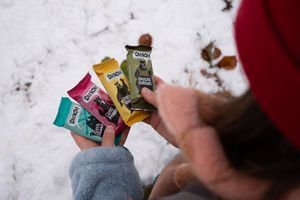
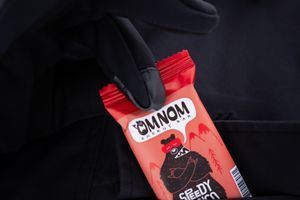
- Energy bars. Special energy bars that contain a mixture of carbohydrates, proteins and fats are convenient to transport and quickly consume. Especially OMNOM bars, which do not contain cereals and consist only of fruits and nuts. A diverse mix – it's just a pleasure in every bite. Try OMNOM energy bars from ĪDLO!
- Whole grain crackers and biscuits. They are a good source of carbohydrates and can be eaten with other snacks such as cheese or peanut butter.
- Chocolate. In cooler weather - this is simply a great snack. But when the temperature gets higher, there is a chance that the chocolate will melt.
Proper nutrition is the key to successfully completing the desired route during your mountain retreat. Do not neglect your health, because it is also about comfort.