For a successful hike, a properly planned diet plays a significant role. After all, if you calculate the entire menu in advance, you won't have to carry extra weight in your backpack, which is already heavy. To do this, we suggest figuring out what to take or not take for trekking as food.
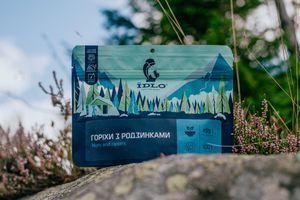
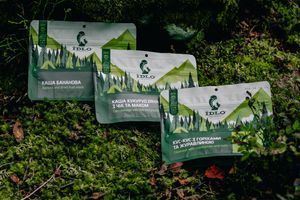
Food for hiking differs from ordinary food in that the products should not take up much space in the backpack and have a low weight. When making a list of products, choose light and compact ones, for example, dried fruits and freeze-dried vegetables, meat. In addition, today you can buy ready-made sets of food for hiking in packages. Such freeze-dried foods take up little space, but at the same time are rich in nutrients and are practically indistinguishable from fresh vegetables, fruits, and meat.
Food for a hike - an essential attribute that you need to be able to store properly
Food for a hike should be not only convenient, but also tasty and healthy. And this is achieved exclusively by storing it properly. After all, no one agrees to drink warm drinks (if they should be chilled) or eat cold porridge. Food from ĪDLO - these are not just quick meals. This is a real treasure that does not require special storage rules.
However, in nature and on vacation, as well as in everyday life, food should be kept away from insects, animals, and other uninvited guests. A simple container that closes securely can help with this. In addition, with its help, dishes from the ĪDLO company are prepared simply and quickly.
Additional tips for storing food on a hike:
- proper proximity: do not put raw and ready-made foods next to each other;
- label foods with their name, date and shelf life;
- freeze only fresh foods. After defrosting, do not refreeze them.
Garbage should also be disposed of properly: organic residues can be buried in the ground so that it rots and thanks to it, lush trees and grasses grow. Packages and other inorganic materials should be taken with you.
What products to take with you on a hike
Food for a long hike should be hearty, high-calorie, but not heavy or fatty. When compiling a list of products for trekking, we suggest relying on this:
-
Cereals — buckwheat, rice, oatmeal
-
Bread or crackers
-
Tea
-
Salt, sugar
-
Vegetable oil
-
Spices
-
Milk powder
-
Coffee or cocoa
-
Soybeans
-
Chocolate (preferably dark)
-
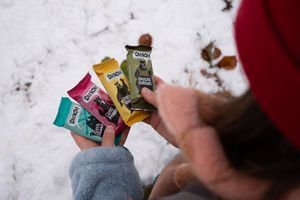
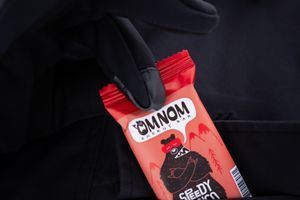
Energy bars
-
Cookies
- Kozinaki
-
Nuts and dried fruits
- Pasta
-
Sublimates.
Of course, each person has their own list of products, they make it based on personal preferences. However, when planning your hike, we recommend that you base your plan on this list.
What not to take on a hike
We have already reviewed the list of basic products that you can take on a hike, now we will draw your attention to those products that will be superfluous during a long hike:
-
Products that spoil quickly (milk, fresh meat and fish). If you still take such products, you need to eat them on the first day.
-
Low-calorie and heavy food with plenty of fluids.
-
Fresh fruits and vegetables are also not recommended for hiking, with some exceptions.
-
Food in containers made of glass and other heavy materials.
Water on a hike
Water plays an even bigger role on a hike than food, so you should take care of it first. Take a 1.5-liter container with you to refill it at springs and rivers. The capacity should be individual.
As for other drinks, during breaks and meals, tea is most often prepared, sometimes coffee or cocoa.
Example of a menu for a day on a hike
A typical menu for a day on a hike differs from the usual one — it is less varied and looks like this:
-
Breakfast: cereal with dried fruit, bread (can be with sausage or cheese), coffee (or another drink of your choice).
-
Snack: nuts or dried fruit, energy bar.
-
Lunch: hot dish, biscuits with cheese or sausage, tea.
-
Dinner: porridge with vegetables or meat, half a chocolate bar, tea.
This menu is suitable for large groups, if there are several tourists in the group — the menu can be made more diverse.
Daytime snack — what is better to take
Food for a hike should be high in calories, so the daytime snack should usually be quick, not heavy, but satisfying. Here is an approximate list of products that are usually taken on a hike as a snack:
-
gallets with sausage or cheese,
-
nuts, dried fruits,
- candy,
-
energy bars.
Calculating products for trekking
After the list of products is compiled, you can calculate how many products to take per tourist. Depending on the complexity of the route, gender, and age of the tourist, 500-800 g of dry (uncooked) products per person are needed per day. Knowing this number for one person, you can easily calculate the required amount of products for all members of the group.
Therefore, the calculation of the amount of products for 1 tourist for 1 day looks something like this:
-
Cereals — 80-100 g
-
Hercules (flakes) — 50 g
-
Hard cheese — 30-40 g
-
Smoked sausage — 30-40 g
-
Dried meat — 20-25 g
-
Dried milk — 20-30 g
-
Nuts — 15-30 g
-
Dried fruits — 40-50 g
-
Chocolate (energy) bars — 50 g
-
Biscuits — 40–50 g
-
Pasta — 90–100 g
-
Candied — 20–30 g
-
Salt — 5–7 g
-
Tea — 10 g
-
Spices — 5-10 g.
Don't forget that the food for vegetarians on a camping trip will be different from the food for meat eaters. For such group members, animal products should be replaced with others, such as legumes or vegetables.
Freeze-dried foods
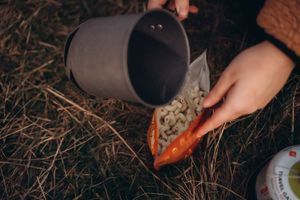
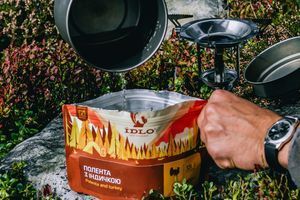
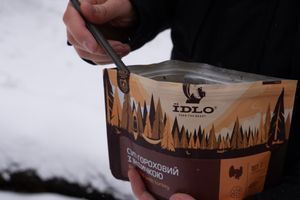
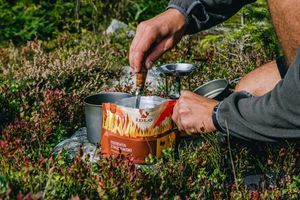
Many tourists often take freeze-dried food with them on a camping trip, that is, food from which almost all the liquid has been removed, thereby reducing its weight by 5-10 times. Freeze-dried foods retain their beneficial properties, aroma, taste and shape. They are very easy to prepare — To do this, pour boiling water over the products and let them stand for 10 minutes.
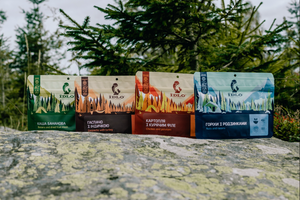
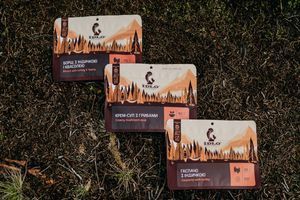
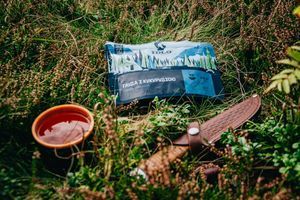
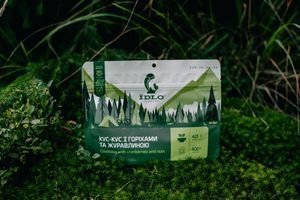
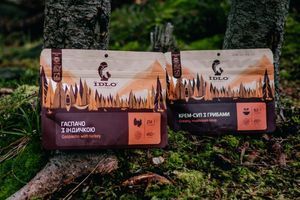
The range of freeze-dried foods in the online store Yidlo is quite large: there are products with meat and for vegetarians, first courses, snacks and drinks. Thanks to such products, you can diversify the menu during trekking.
Food packaging
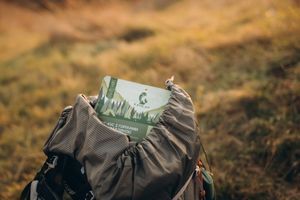
It is best to use bags as packaging for products (you need to pack products in 2-3 bags at once). Such packaging is light and does not weigh down the backpack. Some tourists pack food in airtight plastic containers. It is recommended to pour the liquid into regular bottles.
Children's nutrition
If you are going on a hike with children, it is worth considering some features of their nutrition during the trek:
-
hot lunches should be a must,
-
take care of additional sources of protein and vitamins.
Remember that a smartly planned list of products and their quantity for the hike will save you from unnecessary burden during the trip. The main product on the hike is cereals, and so that the porridge does not get boring during the hike, prepare it with spices, vegetables and other side dishes.