
How to plan a menu on a hike
A hike completely changes a person's daily routine and diet, which not everyone is ready for. Both the lack of a jacuzzi in the evening and the lack of fresh croissants for morning coffee.
But you still dared to go on a hike? And even gathered an interesting company of people you can trust? Statistics show that such people, instead of gratitude, entrust the organization of meals on a hike to the initiator. And not everyone is able to create a comfortable dining atmosphere on a hike for each member of the group.
Planning a hiking menu, although very difficult, is a very honorable thing. Don't be nervous and be confident - thanks to our advice you will cope and the title of "the public's favorite" will be guaranteed to you!
What should you pay attention to first of all when collecting products?
1. Taste characteristics. Don't take something completely new and unfamiliar, just because you decided to change your life after this hike. Eat what you usually like. It will not be superfluous to get acquainted with the tastes of the group members, ask about allergies or intolerances to foods.
2. Calorie content. The calorie content of the diet should be made in accordance with physical activity. A light hike, for example, will not provide for snacks every two hours. However, you should not consider the hike as an opportunity to lose extra pounds. In a journey, what is good in moderation.
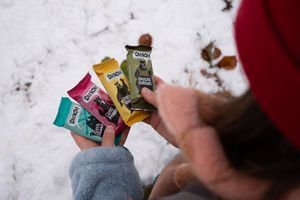
3. Features of dishes. Candy and lollipops can be in your diet. But it is better to rely on the right fats, complex carbohydrates and proteins. We will talk about such balanced meals that will provide stable energy for difficult transitions in our next articles.
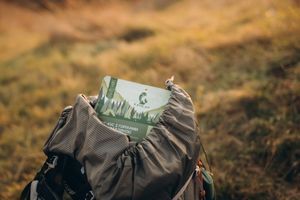
4. Weight. We choose products that are as light as possible. We do not exceed the limit of 1-1.3 kg per day per person. We repackage everything we buy. At home, we throw away excess packaging material and pack in portions or by product groups. We sign the bags and, if desired, write down brief cooking instructions. If there is a risk of increased humidity, use an additional bag or a sealed bag.
5. Cooking. If you are not a professional chef, focus on easy-to-prepare dishes:
- porridge + fresh vegetables + roasted meat.
- soup + toast with cheese + vegetables.
- baked potatoes + stewed beans with meat.
There should be an option to cook food without heat treatment and without water. Just in case.
6. Price and convenience. Comfort also has its price. Root vegetables, porridge and pasta are not very expensive. However, at the end of a busy day, consuming dehydrated foods will become a justified luxury.
Alternative food options
Of all the food options for traveling, the following can be considered:
1. Fresh vegetables and fruits - a good, but not the best choice. They spoil quickly and are heavy, but they are tasty and healthy. Potatoes, beets, carrots, celery root, radishes are stored the longest.
2. Dry foods (pasta, pasta, rice, soup mixes, drink mixes) - light, take up little space and are tasty, easy to prepare.
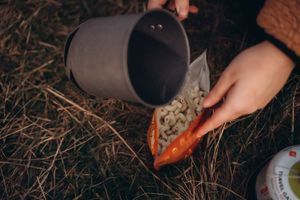
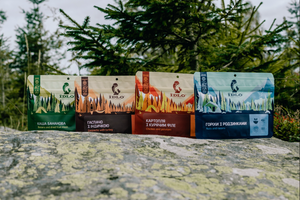
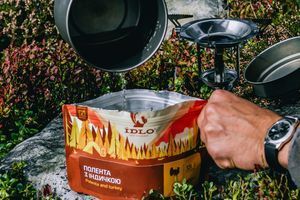
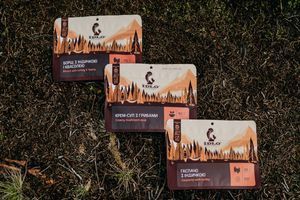
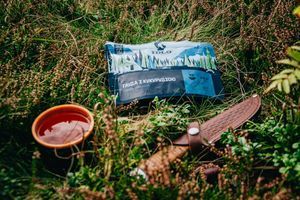
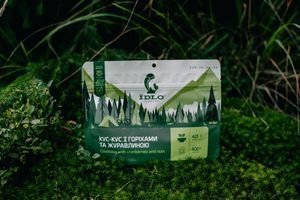
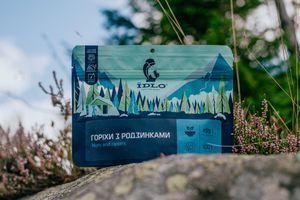
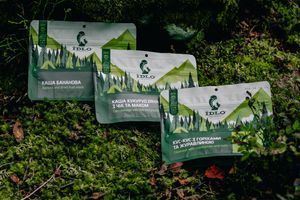
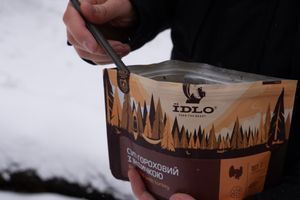
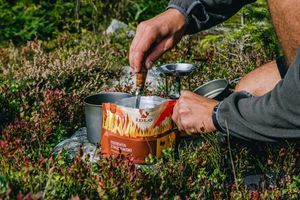
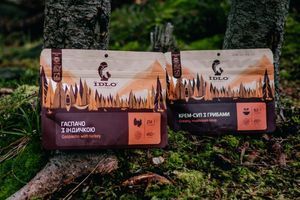
3. Freeze-dried (freeze-dried) / dehydrated (dehydrated or dried) foods - super convenient and tasty, will significantly lighten your backpack (the limit of 1-1.3 kg per day per person can be reduced by at least three times), but the price can be quite high.
4. Canned foods are only advisable for short trips. They are heavy and spoil quickly if damaged.
5. Tea blends for drinking. Water and liquids in general should be sufficient. Personal drinking bottles are a must.
Menu planning
We plan the menu according to the products you decide to take with you. Products, even fresh and high-quality ones, will spoil sooner or later. Therefore, we carefully study the expiration dates and pay attention to food safety.
What products and when should you eat:
In the first two days
- dairy products (first 24 hours – milk, yogurt)
- fresh or cooked meat (in hot weather, store them even for several hours – only with refrigerants and in a thermal bag)
- soft fruits and vegetables (berries, plums, tomatoes, cucumbers, etc.)
- tender greens (lettuce, asparagus)
First week
- vegetables (broccoli, cauliflower, peppers, zucchini, radishes, green beans, broad beans, squash)
- bread, pita bread
More than 1 week
- hard cheese
- root vegetables (potatoes, beets, carrots, radishes, celery root)
- apples
- corn or wheat cakes;
Breakfast, lunch and dinner - the main three meals that should not be neglected. But you can choose a special group diet. For example, a hearty breakfast, a light lunch "on the go" and a delicious hot dinner.
Meals on a hike cannot be impromptu, but only a clearly thought-out plan. Collecting products, storing, cooking and carefully calculating using supplies will provide you with not only the opportunity to recover after hard physical activity, but also to have a good time with pleasant company.