When going on a hike, it is very important to focus on ensuring that our nutrition supports our body during heavy physical exertion. Meat eaters have more options, because you can always take jerky, canned food, meat chips, freeze-dried meat. However, veganism can be much more diverse if you know how to approach the issue of nutrition.
How to organize food for vegetarians?
When you organize a hike and have a group with different taste preferences, it is worth listening to everyone and taking into account different wishes, vegetarianism is one of the most common. However, sometimes it is very difficult, because meat eaters crave a rich soup, and vegans do not want meat in the same soup. Therefore, there are several options for organizing veganism and vegetarianism during a hike:
- General menu with adaptation: The main menu remains for everyone, but meat and canned goods are added last, after the vegan portions have already been distributed. Food for vegans can be balanced by increasing the amount of cereals, nuts, dried fruits and other vegan products.
- Individual menu: Each vegetarian provides his own nutrition. To do this, you need to make your own list of products and purchase everything you need for the hike. Here your imagination is the only one who decides: you can bring various snacks, ready-made meals and mixtures with you. Also make sure you are getting enough protein: tofu, spinach, lentils.
It is also best to discuss your expectations for this hike together, and together with your friends you could find a vegan solution that suits everyone.
Food for vegans: what to consider?
Vegetarian food is very common in today's world, but unfortunately, many products have their drawbacks, which make them irrelevant for hiking:
- Limited food selection: Stores, especially in small towns or villages, don't always have a wide range of vegan products. So you have to shop well in advance.
- Protein issue: It's important that your food is very rich in protein, as your muscles will need rest and recovery.
- Food storage: Many vegan foods spoil quickly without refrigeration. This limits the choice of dishes that you can take with you.
Also, most of the favorite spreads either require refrigeration or are difficult to prepare - and this makes the menu planning process even more difficult.
Vegetarian menu for the week: what to take?
Veganism: cereals and grains
- Oatmeal: a classic and quick breakfast option. It is easy and quick to prepare on water, plus you can add any nuts and dried fruits to make the porridge especially tasty and nutritious.
- Quinoa: this superfood is rich in protein and easy to prepare. Can be a base for salads and a side dish for main dishes.
- Bulgur: A delicious and nutritious grain that is quick to prepare and suitable for side dishes or salads.
Legumes and their derivatives in veganism
- Tofu: The base, the so-called “vegetarian meat”, rich in protein. Add to soups, salads or grill. Dried tofu is also a popular snack that is rich in protein and filling, so you can easily buy or order it.
- Canned chickpeas: Easy to use, does not require additional cooking. By frying it with spices, you will also get a healthy and very crispy snack - the perfect snack. It also goes well with other dishes.
- Beans: Canned or dried, they taste great.
Dried fruits and nuts for vegan diets
- Almonds: A great source of healthy fats, protein, and energy. They are convenient to snack on the go, and you can prepare such a snack yourself if you roast them with spices.
- Walnuts: Rich in omega-3 fatty acids, they help maintain energy.
- Dried apricots: A source of potassium, iron, and fiber. Quite sweet and can be a perfect addition to your morning coffee.
Addition to a vegetarian menu
- Chia seeds: rich in omega-3, fiber and protein. Add to cereals, yogurts or make chia pudding.
- Flax: a source of omega-3 and fiber. Great with oatmeal and various salads.
- Sesame seeds: sesame seeds are quite fragrant and rich, and the bars made from them are simply excellent!
- Pumpkin seeds: rich in magnesium and zinc. Can be eaten alone or added to meals.
- Wheat sprouts: are considered a superfood, great for hiking when time to cook is limited.
Vegetarian nutrition: other sources of protein
- Protein shakes: are easy to prepare and provide additional protein. Just mix with water or your favorite plant-based milk.
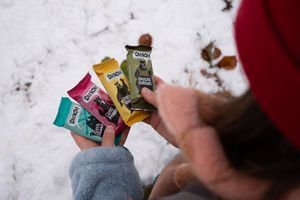
- Energy bars: convenient for snacking during long hikes, provide energy and protein.
Vegetables
- Corn and peas: are easy to add to salads or side dishes, provide vitamins and minerals. You can use both canned and freeze-dried products.
- Mushrooms: A source of protein and fiber. Add to soups, stews, or braised dishes.
- Mixed vegetables: Using your oven at low temperatures, dry your favorite soup mix so it's always ready to use.
Vegetarian menu from ЪDLO
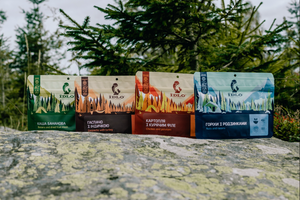
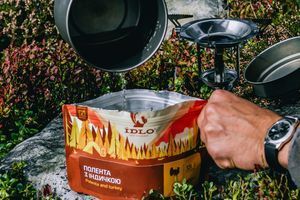
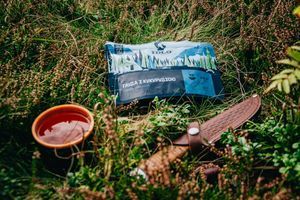
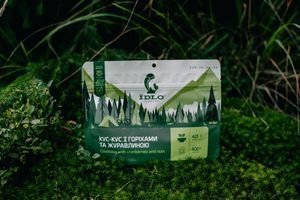
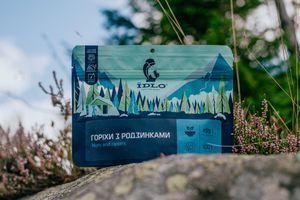
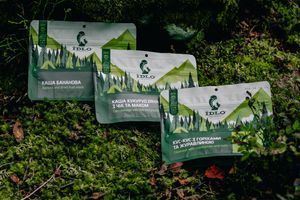
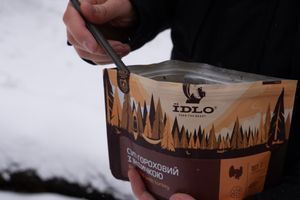
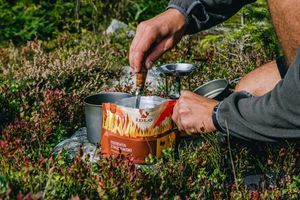
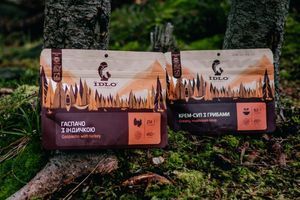
ЪDLO's vegetarian menu has everything to give you the best meals for hiking. They are delicious, rich, and authentic. In addition, ЪDLO takes care to preserve as many beneficial elements as possible for the consumer. So you can fully enjoy:
- Breakfasts with dried fruits;
- Meat-free meals;
- Delicious bars made only from berries, nuts and dried fruits;
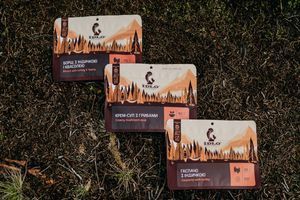
- Lean borscht;
- Cream soup with mushrooms.
By planning your menu in advance, you will avoid a boring tasteless menu that you take so as not to feel hungry. However, your food on a hike must be satisfying so that your vacation brings you one hundred percent satisfaction. Vegetarianism is simple, and easy if you buy freeze-dried products and dishes in advance.