A soldier's ration is not just food, but a source of energy and the main resource for restoring strength. It must be adapted to combat conditions, in particular, the inability to cook over a fire for a long time.
Good ready-to-eat food for military personnel is food that doesn't add weight to the gear. Every extra kilogram of equipment reduces a soldier's mobility. Caloric content also matters. In combat conditions, more carbohydrates, proteins, and fats are needed to quickly satisfy hunger and recover after exertion.
Lightness and nutritional value aren't the only criteria. The ration must have a long shelf life, since there's no refrigerator in field conditions. Products need to be chosen that don't spoil in heat or due to temperature fluctuations.
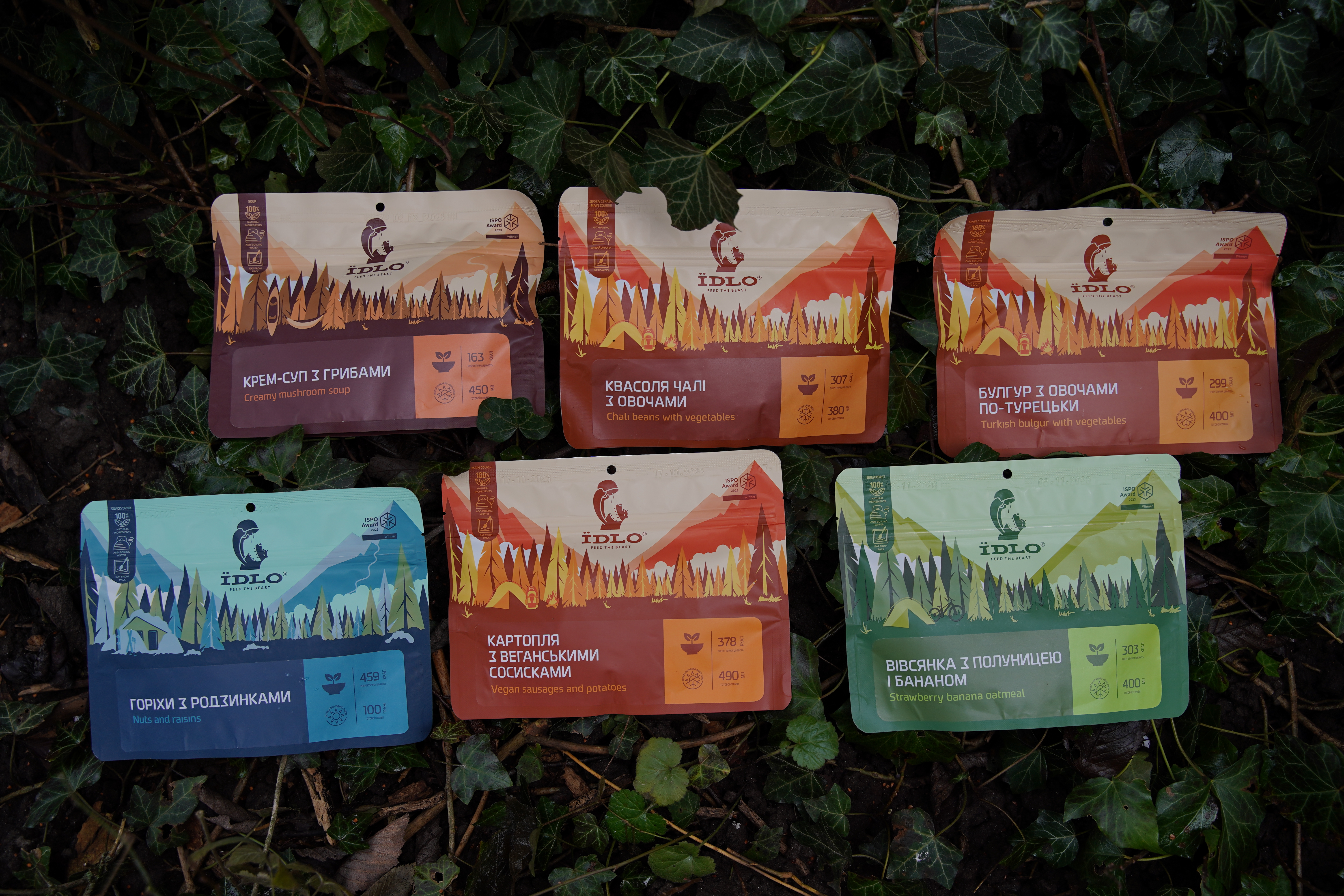
What military field food should be like
A soldier's ration is formed based on four main principles:
-
high caloric content. The daily norm is at least 3500 kcal. Food should be chosen that helps quickly recover after prolonged exertion and stress;
-
convenience and compactness. It's important that products are easy to open and prepare in a matter of minutes without long cooking over a fire. Food should be chosen that doesn't weigh much and withstands various temperatures without special storage conditions;
-
easy digestibility. It's important that products don't cause heaviness in the stomach, but maintain a feeling of fullness for a long time;
-
balance of proteins, fats, and carbohydrates. The optimal ratio is important for maintaining immunity and muscle mass.
«Military personnel don't always have the opportunity to get hot meals from a field kitchen. However, this doesn't mean their rations should be monotonous and simple, because a soldier's effectiveness during combat tasks depends on the quality of their food».
What's included in the field ration
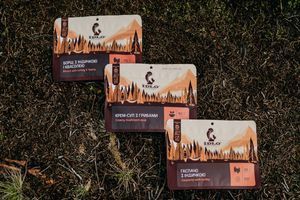
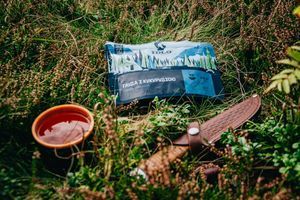
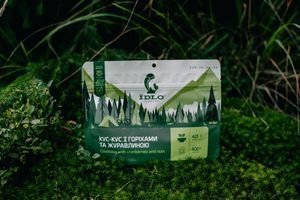
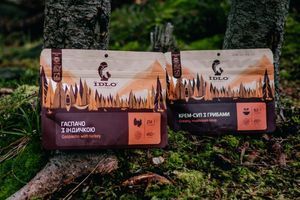
A military field ration is designed for one day of nutrition. It usually consists of three meals: breakfast, lunch, and dinner. It includes first courses, main courses, and drinks. Let's look at the ration using dishes from ЇDLO as an example:
|
Category |
Dish type |
Caloric content |
Serving weight |
|
First courses (soups, borscht) |
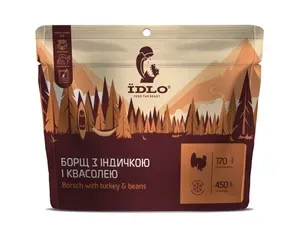
Borscht with turkey and beans |
170.1 kcal |
450 g |
|
Pea soup with turkey |
187.3 kcal |
400 g |
|
|
Georgian kharcho with turkey |
174.8 kcal |
400 g |
|
|
Cream of mushroom soup |
163.0 kcal |
450 g |
|
|
Porridges |
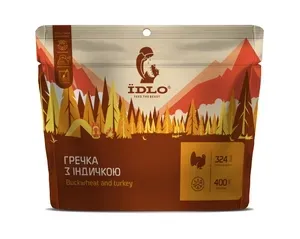
Buckwheat with turkey |
324.0 kcal |
400 g |
|
Moroccan couscous with turkey |
307.7 kcal |
400 g |
|
|
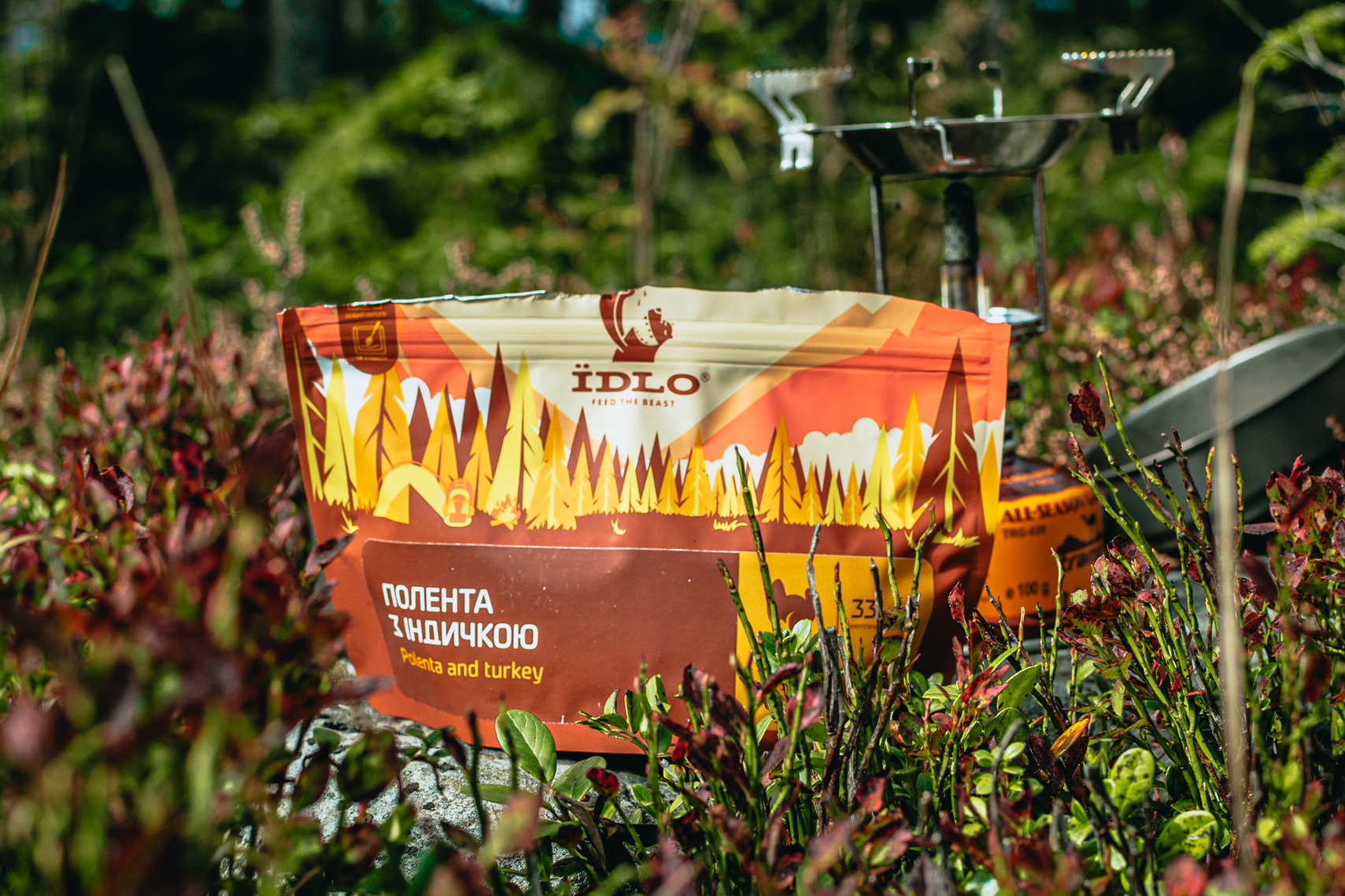
Polenta with turkey |
331.2 kcal |
400 g |
|
|
Turkish-style bulgur with vegetables |
298.7 kcal |
400 g |
|
|
Main courses |
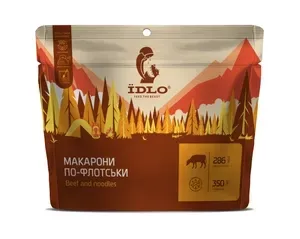
Navy-style pasta |
286.7 kcal |
350 g |
|
Potatoes with chicken fillet |
344.0 kcal |
490 g |
|
|
Fusilli with chicken fillet |
347.4 kcal |
350 g |
|
|
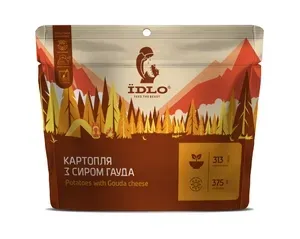
Potatoes with gouda cheese |
312.5 kcal |
375 g |
Borscht and soups are first courses that, together with porridges, form the basis of the daily ration. Crackers, biscuits, or rusks are served alongside them. The ration also includes additions like honey, sugar, and salt, and instant coffee as a beverage.

Freeze-dried food as a convenient option
When you need to put together a high-calorie, nutritious, and easy-to-store military ration, it's worth paying attention to freeze-dried meals. These are dishes prepared through freeze-drying, that is, dehydration removing up to 98% of moisture.
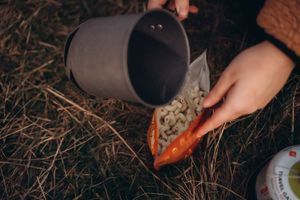
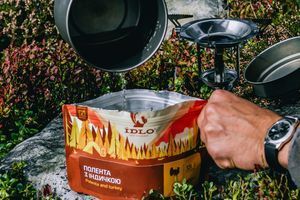
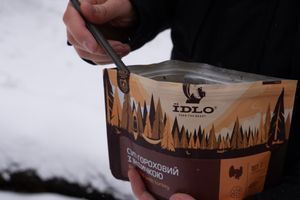
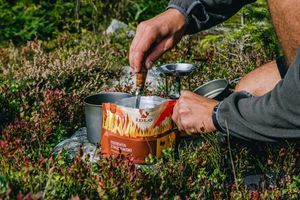
As a result, the portion becomes light, compact, and retains its taste and nutritional qualities. Freeze-dried food doesn't need to be cooked, which is convenient in field conditions. It's enough to pour boiling water over the dry mix and wait about 10 minutes. It's easy to prepare right in the retort pouch.
Freeze-dried products are full-fledged lunches and dinners that can be stored for several years without refrigeration. They retain up to 95% of vitamins and trace elements and have a natural taste and aroma. Retort pouches don't add weight to the gear and withstand extreme conditions.
Example of a daily ration
Here's an example of a balanced daily field ration for a soldier, made up of specific items from the ЇDLO brand. This set is designed for high physical exertion and provides the body with the necessary calories, proteins, and carbohydrates.
Breakfast
«Moroccan couscous with turkey» porridge. Breakfast should be nutritious but also quick to prepare. Couscous is ready in just 7–10 minutes. Hearty turkey and spices provide a solid energy boost for the first half of the day without weighing down the stomach.
Lunch
«Borscht with turkey and beans». Hot liquid food at lunchtime is extremely important for normal digestion in field conditions. Traditional Ukrainian borscht with beans and freeze-dried meat excellently restores strength, warms you up, and gives a feeling of home comfort even at the front.
Dinner
«Navy-style pasta» or «Potatoes with chicken fillet». Dinner should compensate as much as possible for the calories spent during the day. Pasta with freeze-dried minced meat is a classic hearty, high-calorie dish that will satisfy hunger through the whole night.
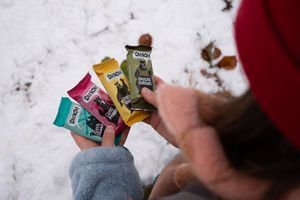
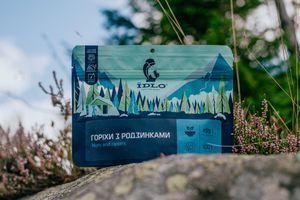
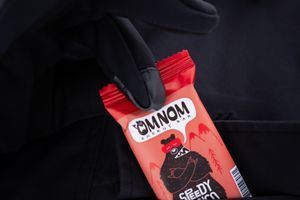
For a snack during the day — one of ЇDLO's protein or fruit bars, or «Potatoes with Gouda cheese» (if a quick additional meal is needed at night or while on duty).
How to choose ready-to-eat food for military personnel
Products should be lightweight, conveniently packaged, and as simple as possible to prepare. Give preference to food in zip-lock retort pouches — it can be cooked without removing it and eaten without additional utensils. This saves water and time.
A soldier's ration should be nutritious, so choose dishes with a high protein and carbohydrate content. Freeze-dried products are especially convenient in this regard. They're prepared by simply pouring in boiling water in just 10 minutes and retain all nutrients during processing.
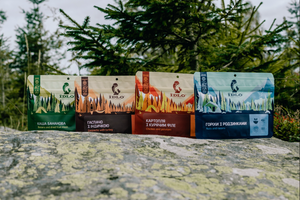
In the ЇDLO brand catalog you'll find first courses, main courses, and snacks that are perfectly suited for military personnel. These are freeze-dried meals that will help make a soldier's ration varied and consistently nutritious every day. Here you can choose not only main meals but also snacks and drinks that are convenient to prepare on the front line.