High-quality field nutrition is an integral part of modern army logistics. It affects not only the comfort of service members but also their endurance, recovery speed, and ability to perform tasks in extreme conditions. This is why the experience of foreign armies draws significant interest in our country. At the same time, it is important to understand that no NATO ration is a universal solution: it is designed taking into account the climate, mission duration, logistics, and the specific needs of a given army.
Analyzing how nutrition is organized in NATO armies helps to better understand which technologies and solutions truly ensure convenience, long shelf life, and effective energy recovery in the field.
What is an MRE and other NATO rations?
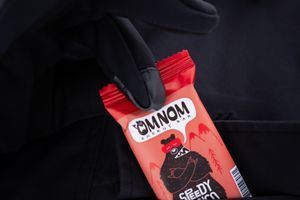
The most famous field ration kit according to NATO standards is the American MRE (Meal, Ready-to-Eat) — an individual ration ready for consumption without a full kitchen. Similar kits are used by Great Britain, France, Germany, Poland, and other Alliance countries. Although they are often grouped under the term «foreign ration,» in reality, each state develops its own menus and caloric standards.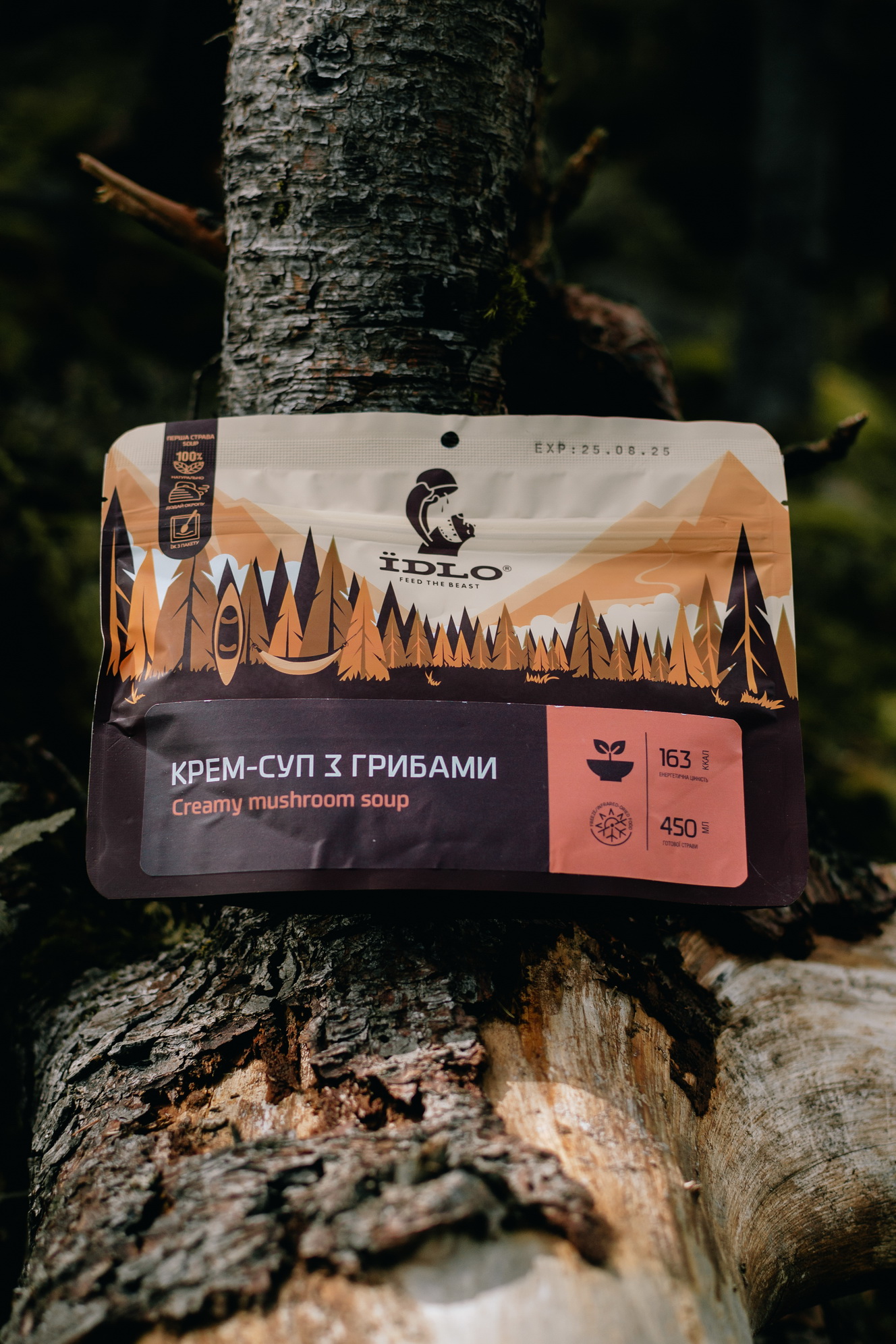
The main goal of such kits is to provide a soldier with sufficient energy throughout the day, minimizing the need for additional cooking equipment. Some rations include flameless chemical heaters, while others require the use of hot water or field kitchens.
Composition of a typical NATO ration
Although menus may differ significantly, the composition of a ration is usually formed based on uniform principles: sufficient caloric value, a balance of proteins, fats, and carbohydrates, and a long shelf life.
A typical kit may contain:
- a main meat or vegetarian dish;
- porridge or pasta as a source of carbohydrates;
- snacks (e.g., jerky);
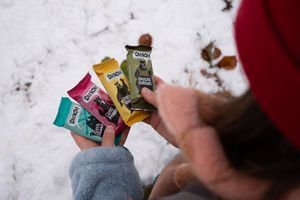
- nuts or energy bars;
- biscuits, chocolate, or dried fruit;
- beverages, tea, coffee, or isotonics;
- bread and spreads;
- water purification tablets, solid fuel;
- chewing gum, sauces, spices;
- cutlery, napkins, and other auxiliary accessories.
Manufacturers pay special attention to packaging convenience, ease of opening, and the products' resistance to temperature fluctuations. At the same time, more and more armies are using modern dehydration and freeze-drying technologies, which help reduce the weight of the kit without losing nutritional value.
How Ukrainian field rations differ from foreign ones
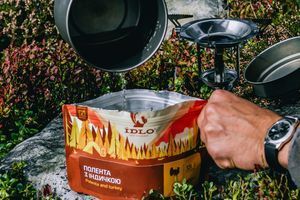
When comparing Ukrainian field rations with foreign counterparts, it is important to consider different approaches to supplying the military. Classic Ukrainian individual field rations traditionally contain canned goods that withstand long storage well but are heavier. However, rations now increasingly include meals in modern, lighter retort pouches that just need to be heated near any heat source.
A typical 1-day Ukrainian field ration weighs about 2 kg, providing a service member with approximately 3500 kcal. The base consists of canned meat, meat-based porridges, and first-course meals, supplemented by hardtack or rusks, as well as tea, coffee, fortified jam or honey, salt, sugar, and pepper. Of course, the ration also includes disposable cutlery, napkins, and toothpicks.
Unlike traditional Ukrainian rations, NATO rations more often include various freeze-dried meals that, after the addition of boiling water, almost completely recover their original taste, texture, and aroma. However, this technology is now gaining popularity in our country as well.
Freeze-drying technology involves rapid freezing of products followed by the removal of up to 98% of moisture in a vacuum. As a result, the food retains up to 95% of its nutritional properties, is lightweight, takes up minimal space, and can be stored for up to two years without loss of quality.
What can be borrowed for the Ukrainian ration?
Global experience shows that modern field nutrition is increasingly focused on product quality, mobility, and speed of preparation. These principles can form the basis for the further development of Ukrainian individual rations.
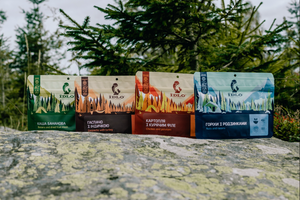
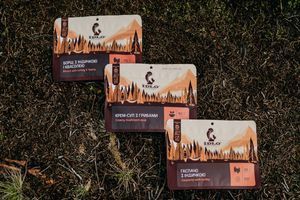
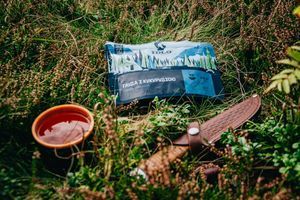
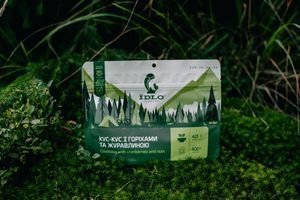
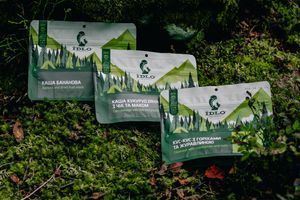
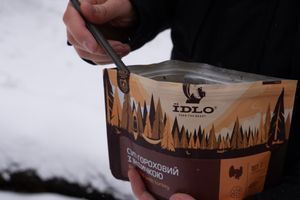
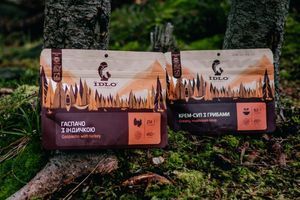
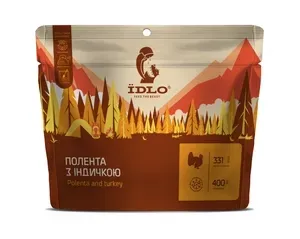
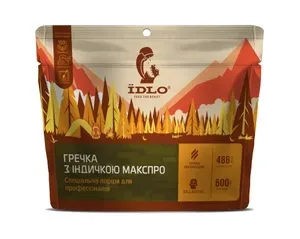
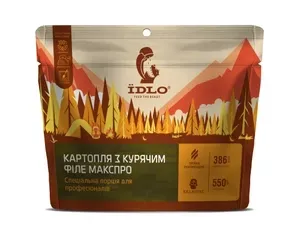
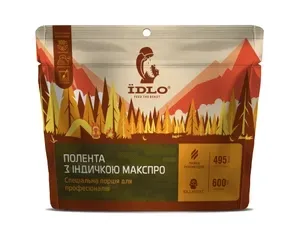
A successful example of this approach is the products from ЇDLO. Since 2016, the company has been developing dehydration and freeze-drying technologies, and today it offers a comprehensive nutrition system of over 40 items: breakfasts, soups, main dishes, snacks, beverages, and energy bars.
The advantages of this solution include the use of only natural ingredients without artificial colors or flavor enhancers, modern multi-layer packaging that protects against moisture and oxygen, as well as compactness and low weight. The brand's products are tested in harsh conditions by a team of ambassadors, used during expeditions and hiking trips, and are actively utilized by the Ukrainian military.
How to choose nutrition based on global standards
When evaluating modern field nutrition, one should not focus solely on the country of origin. It is much more important to pay attention to production standards, the naturalness of ingredients, nutritional value, shelf life, ease of use, and real-world operating conditions.
A high-quality field ration should be light, nutritious, quick to prepare, and safe for long-term storage. This is why modern freeze-dried meals are increasingly becoming an alternative to classic canned goods, not just for the military, but also for tourists, athletes, travelers, and anyone in need of high-quality nutrition away from standard living conditions.
The experience of the world's armies confirms: an effective field menu for military personnel is not about copying someone else's solutions, but about combining modern technology, natural products, and a thoughtful approach to food organization.